Smart Living Products
ISDN2001/2002: Second Year Design Project
Independent Study
About motor scoring for table archery
By Astire
Abstract
This study developed a motor scoring system using the Unity game engine, turns physical pulling movements into training scores. We compared two scoring methods: Mechanical Work and Velocity-Based Training (VBT). Results showed that Mechanical Work scores fluctuated a lot, while VBT scores were much more stable. We suggest using a 50/50 combination of both methods. The system also allows real-time motor power adjustment and displays scores on a Score Bar in Unity, making training more fun and interactive.
Keywords: Unity, Motor Resistance Training, Mechanical Work, VBT, Gamified Fitness
1. Introduction
1.1 Background
As people pay more attention to health, fitness has become part of daily life. However, traditional resistance training often lacks instant feedback and can feel boring. Motor-driven resistance systems can control force and speed accurately, but most current devices have simple interfaces and poor user experience. This study combines Unity game engine with motor resistance control to create a system that is both scientifically accurate and fun to use.
Recent research such as Gamifying Resistance Training with Wearable Sensors (2025) explored using sensors to turn resistance training data (force and speed) into game scores and real-time feedback, which is very similar to our approach.
1.2 Research Objectives
Connect Unity with the motor controller to enable real-time power adjustment, then design Mechanical Work and VBT scoring methods and display them using Score Bars in Unity. Compare the two scoring methods and find the best way to combine them.
2. System Design
2.1 System Architecture
The system consists of three main parts: Unity interface, motor controller, and the motor itself. Players interact through buttons or game scenes. Unity sends commands to adjust motor resistance and calculates scores in real time, displaying them on the Score Bar.

Figure 1: System Architecture Diagram
2.2 Main Functions
-
Adjust motor power in real time through the Unity interface;
-
Calculate and display both Mechanical Work and VBT scores on the Score Bar;
-
Automatically control motor power on/off during pause, win, or lose states.
3. Scoring Methods
3.1 Mechanical Work Scoring
The formula is:

We multiplied the result by 0.03 to map the average score to around 240.
This method follows basic physics principles and helps with movement correction, but scores vary a lot depending on pulling time and speed changes.
3.2 Velocity-Based Training (VBT) Scoring
The formula is:

We multiplied the result by 0.1 to also map the average to around 240.
This method focuses more on speed and power output, and the scores are much more stable.
4. Experimental Results
We performed multiple tests and compared the scores with Borg’s Rating of Perceived Exertion (RPE).
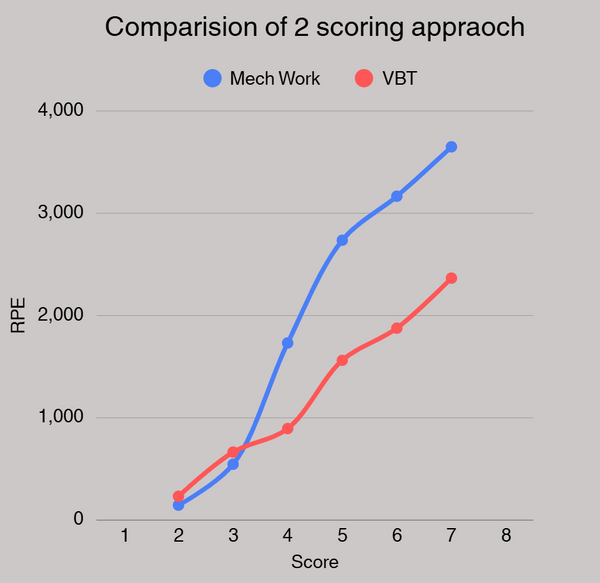
Figure 2: Comparison of Two Scoring Methods
Results:
-
Mechanical Work: Scores ranged from 60 to 400, average ~240, standard deviation S=0.68;
-
VBT: Scores were more consistent, average ~240, standard deviation S=0.08.
VBT showed much smaller variation than Mechanical Work at the same average level.
5. Discussion
Our design was inspired by several related studies. LEAN: Real-Time Analysis of Resistance Training Using Wearable Computing (2023) focused on real-time rep counting and movement quality analysis using sensors, which is similar to how we calculate scores from motor data. StrengthGaming: Enabling Dynamic Repetition Tempo in Strength Training-based Exergames (2020) showed how to map strength exercises to games and adjust feedback based on movement speed, highlighting the importance of balancing quality and quantity — which explains why Mechanical Work scores fluctuated so much.
In addition, studies on Real-time quantitative performance feedback during strength exercise (2017–2024) found that showing velocity and force data in real time can improve performance, motivation, and competitiveness by 3–6%. Visual feedback works much better than verbal instructions, which supports our design of Score Bars and excellence/miss indicators.
Comparison of the two methods:
-
Mechanical Work is better for correcting movement form because it reflects the entire pulling process;
-
VBT is better at measuring muscle strength and explosiveness and provides more stable scores for real-time feedback.
Therefore, we recommend using a 50% Mechanical Work + 50% VBT combined scoring system. This approach gives the benefits of both methods.
6. Conclusion and Future Work
This independent study successfully built a prototype of a gamified motor resistance training system using Unity. We compared two scoring methods and proposed a balanced solution. The Score Bar and real-time power adjustment features made the training more engaging and useful.
Future improvements could include:
-
Adding adaptive resistance (automatically adjusting motor power based on scores);
-
Testing with more users to refine the weights and game mechanics;
References
1. Gamifying Resistance Training with Wearable Sensors, 2025.
2. LEAN: Real-Time Analysis of Resistance Training Using Wearable Computing, 2023.
3. StrengthGaming: Enabling Dynamic Repetition Tempo in Strength Training-based Exergames, 2020.
4. Real-time quantitative performance feedback during strength exercise (series of papers, 2017–2024).